Categories
Yoga

The 3 Most Popular Yoga Styles Explained: Which One Is Right for You?

Most Popular Yoga Styles Explained

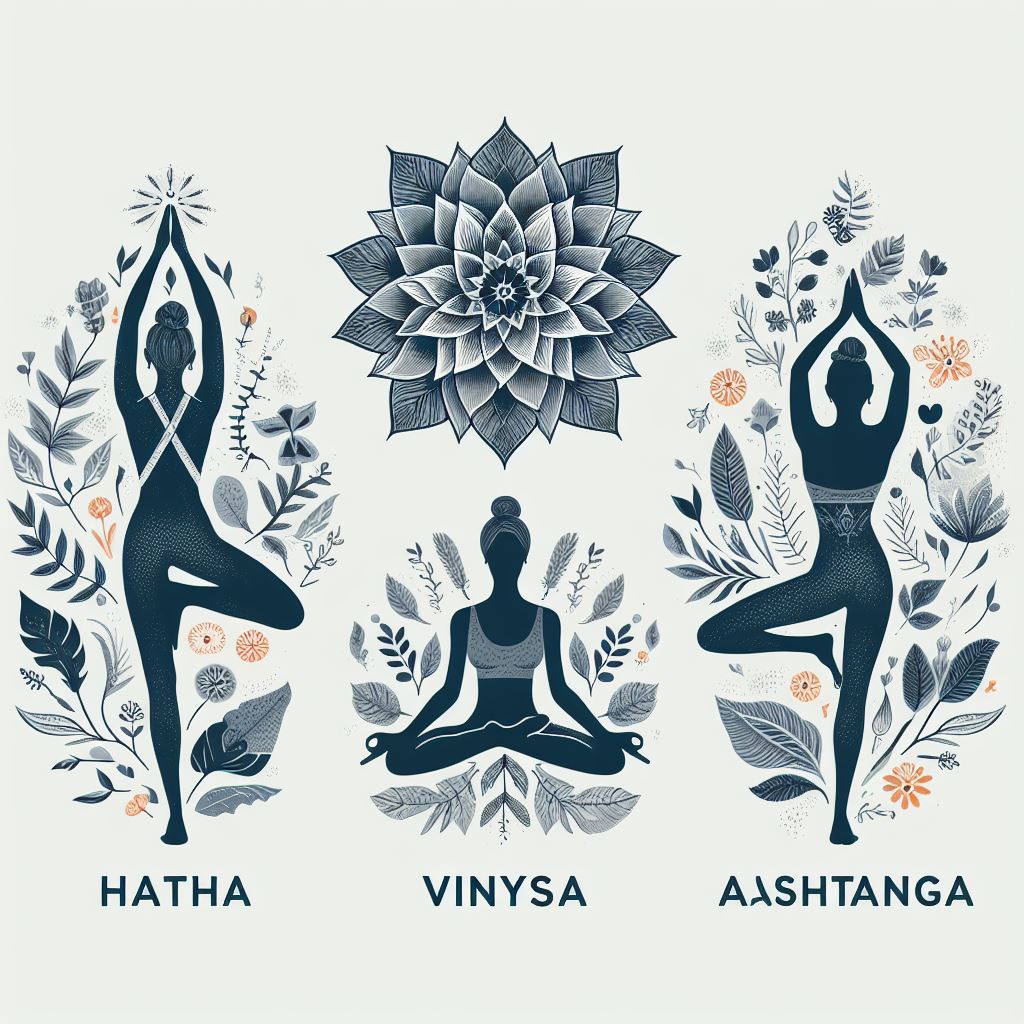
Yoga, with its rich tapestry of styles, offers a unique journey to each individual. In this whirlwind of life, understanding the different types of yoga can be your gateway to finding balance, peace, and strength. Let’s explore the three most popular styles: Hatha, Vinyasa, and Ashtanga, to help you discover which one resonates with your soul.

Hatha Yoga

Hatha Yoga, often seen as the gateway to the yoga world, is a gentle practice focusing on basic postures and controlled breathing. It’s the perfect introduction for beginners, offering a chance to learn and grow at a peaceful pace. If you’re looking for a serene entry point into yoga or a calm way to unwind, Hatha Yoga is your calling.

Vinyasa Yoga

Vinyasa Yoga, a dynamic and flowing style, is like a dance on the mat. It synchronizes breath with movement, creating a meditative flow. This style is ideal for those who seek a more vigorous, fitness-based approach to yoga. If you love to move and embrace change, Vinyasa will speak to your heart.

Ashtanga Yoga

Ashtanga Yoga is structured and intense, following a specific sequence of poses. It appeals to those who thrive on routine and discipline. This style challenges your body and mind, building strength and endurance. If you’re driven and love a physical challenge, Ashtanga is your battleground.

Comparing the Three Styles


In the diverse and enriching world of yoga, each style speaks its unique language of healing and growth. The comparison of Hatha, Vinyasa, and Ashtanga yoga is not just about their physical differences but also about the distinct emotional and spiritual journeys they offer.

Hatha Yoga, with its gentle and nurturing approach, is like a soothing balm for the weary soul. It’s the grounding force in a chaotic world, bringing a sense of calm and stability. In Hatha, the slow pace and focus on individual poses allow for introspection and mindfulness. It’s like walking through a peaceful garden, where each step is deliberate and every breath is a chance to connect deeper with oneself. Hatha is ideal for those seeking refuge from the fast pace of life, offering a space to unwind, reflect, and find balance.

Vinyasa Yoga, on the other hand, is the rhythm of life in motion. It’s like a flowing river, constantly moving, changing, and evolving. This style is characterized by a seamless sequence of poses, each linked with breath and movement. Vinyasa is vibrant and energetic, resonating with those who seek to express themselves dynamically. It’s a dance, a celebration of the body’s capabilities and the mind’s resilience. For those who crave movement and embrace change, Vinyasa is a journey of discovery, challenging, and exhilarating in equal measure.

Ashtanga Yoga is the disciplined warrior of the yoga styles. It follows a specific sequence of poses, each building on the last, creating a challenging and structured practice. Ashtanga is rigorous and demanding, both physically and mentally. It’s like climbing a mountain, where the journey is tough, the path is steep, but the summit offers unparalleled views. This style appeals to those who thrive on routine and discipline, and who find strength in endurance and solace in consistency. Ashtanga is more than a physical practice; it’s a test of will, focus, and dedication, leading to profound transformations both on and off the mat.

Each of these styles, with their distinct rhythms and focuses, offers a unique path to self-discovery and wellness. Whether you seek the grounding peace of Hatha, the dynamic flow of Vinyasa, or the disciplined challenge of Ashtanga, yoga invites you on a journey that transcends the physical and taps into the emotional and spiritual realms. It’s a journey of exploration, where each style becomes a mirror, reflecting and nurturing different facets of your being. In the end, the choice of style becomes a personal narrative, a chapter in your own story of growth, balance, and inner harmony.

How to Choose the Right Style

Choosing the right yoga style is much like selecting a book that resonates with your current chapter in life. It’s a deeply personal decision, one that requires reflection on your physical capabilities, mental state, and the goals you wish to achieve through your practice.

First, consider your physical capabilities. Are you seeking a gentle practice that nurtures and strengthens without strain, or are you drawn to a more physically demanding style? If you’re new to yoga or have physical limitations, a style like Hatha, with its slower pace and focus on foundational poses, might be ideal. It offers a space to build strength and flexibility gently, respecting your body’s limits. For those looking for a more intense physical challenge, Ashtanga or Power Yoga might be more fitting. These styles demand more in terms of strength and stamina, providing a robust physical workout.

Next, reflect on your mental state and emotional needs. Yoga is not just about the physical postures; it’s a holistic practice that nurtures the mind as well. If your life is currently fast-paced and filled with stress, a calming practice like Yin or Restorative Yoga can be a sanctuary, offering peace and stillness. These styles allow for deep relaxation, helping to soothe a busy mind and release emotional tension. On the other hand, if you’re seeking to invigorate your mind and find mental clarity, a more dynamic style like Vinyasa or Kundalini might be more appropriate. These practices can help in releasing pent-up energy and improving focus and concentration.

Consider your personal goals as well. Are you seeking yoga as a path to physical fitness, a way to manage stress or a tool for spiritual growth? Different styles cater to different objectives. For fitness, styles like Vinyasa, Ashtanga, or Power Yoga are effective. For stress management and mental health, Hatha, Yin, or Restorative Yoga can be incredibly beneficial. For those on a spiritual quest, Kundalini Yoga, with its emphasis on awakening energy and consciousness, might be the path.

Remember, the right yoga style for you is the one that harmonizes with your current life situation. It should feel like a natural extension of your journey, aligning with and supporting your physical, mental, and emotional state. Yoga is a personal exploration, a journey of self-discovery. Allow yourself the freedom to try different styles, listen to your body and heart, and choose the path that feels most aligned with who you are and where you are in your life’s journey. In this way, yoga becomes not just a practice but a companion, guiding and supporting you through the ever-changing chapters of your life.

The Holistic Impact of Yoga

The holistic impact of yoga transcends the boundaries of mere physical exercise, unfolding as a profound journey that touches every aspect of our being. In the harmonious world of yoga, the mind, body, and spirit converge, creating a symphony of wellness that echoes through all facets of life.

Physically, yoga is a gentle yet powerful practice, nurturing the body in a way that is both strengthening and healing. Each posture is an act of self-care, a dialogue with the body that teaches us to listen and respond to its needs. Through this physical practice, we gain flexibility, strength, and a heightened awareness of our physical selves. It’s a journey of reclaiming our bodies, of learning to honor its capabilities and limitations, and of celebrating its resilience and grace.

Mentally, yoga is a beacon of clarity in the fog of daily life. In a world where our minds are constantly bombarded with information and distractions, yoga offers a rare refuge of calm. The practice encourages mindfulness and concentration, guiding us to a state of mental clarity where thoughts are observed, not judged. It teaches us to anchor our minds in the present moment, to breathe through the chaos, and to find peace amidst the tumult. This mental clarity extends beyond the mat, enhancing our focus, decision-making, and overall mental acuity in daily life.

Emotionally, yoga is a profound tool for balance and healing. Each session is an opportunity to delve into the emotional landscape within, to explore and release the emotions that we carry in our bodies. The practice teaches us to navigate our emotional world with grace, offering tools to manage stress, anxiety, and the myriad of emotions that color our human experience. Yoga fosters emotional resilience, helping us to cultivate a sense of inner peace that remains unshaken by external circumstances.

Spiritually, yoga is a journey of growth and self-discovery. It is not tied to any one religion or belief system but rather offers a path to explore the depths of our own spirit. Through practices like meditation and breathwork, yoga invites us to connect with something greater than ourselves, whether we call it energy, nature, or the divine. This spiritual aspect of yoga encourages introspection and a sense of connectedness with the world around us, fostering a deep sense of purpose and fulfillment.

In its essence, the holistic impact of yoga is about integration – the harmonious blending of mind, body, and spirit. It’s a practice that acknowledges and nurtures every part of our being, inviting us to grow and evolve in all aspects of our lives. Yoga is more than a series of poses; it is a way of living, a path to complete wellness, and a journey to the truest version of ourselves.

Conclusion

Explore these styles with an open heart. Yoga is a personal journey, and each style offers a unique path to self-discovery and inner peace.

FAQs

  1. Is yoga suitable for all ages? Absolutely! Yoga is adaptable and can be practiced by people of all ages and fitness levels.
  2. How often should I practice yoga? Regular practice is key, but it’s more important to listen to your body. Even a few minutes daily can have profound benefits.
  3. Do I need special equipment for yoga? A yoga mat is essential, but beyond that, most yoga styles don’t require specialized equipment.
  4. Can yoga help with stress? Yes, yoga is excellent for managing stress, thanks to its focus on breathwork and mindfulness.
  5. Can I practice yoga at home? Certainly! There are many online resources available to guide your home practice.
Categories
Yoga

Mindfulness: 5 Calming Yoga Techniques

Calming Yoga Techniques

Mindfulness and yoga have become essential tools in the modern world for managing stress, finding inner peace, and enhancing overall well-being. This comprehensive guide explores five calming yoga techniques that anyone can incorporate into their daily routine to experience the transformative power of mindfulness.

I. Deep Breathing (Pranayama)

Deep breathing, or Pranayama, is a foundational yoga technique that focuses on controlling breath to influence mental, emotional, and physical states. Here’s how to practice it:

  1. Sit comfortably with a straight spine.
  2. Inhale deeply through the nose, expanding your abdomen.
  3. Exhale slowly and fully, contracting your abdomen.
  4. Repeat this process for several minutes, focusing solely on your breath.

II. Gentle Flow Yoga

Gentle Flow Yoga involves a series of movements synchronized with breath, designed to cultivate balance and relaxation. Steps include:

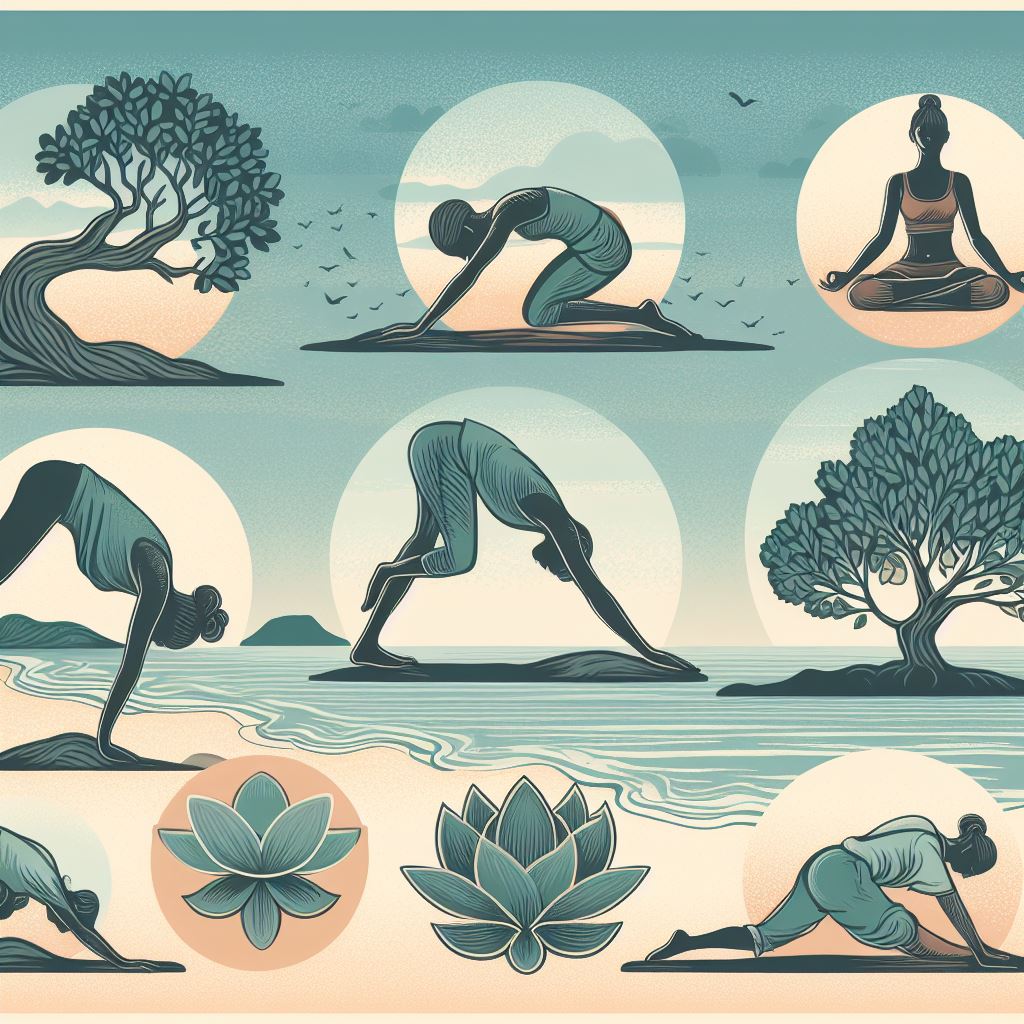
  1. Begin with basic poses like Cat-Cow and Downward Dog.
  2. Transition smoothly from one pose to another.
  3. Focus on your breath as you move.
  4. End with a relaxation pose like Child’s Pose.

III. Yoga Nidra

Yoga Nidra, or yogic sleep, is a powerful relaxation technique. It involves lying down in a comfortable position and following a guided meditation that leads to deep relaxation. Steps to practice:

  1. Lie down in a comfortable position.
  2. Close your eyes and relax each part of your body.
  3. Follow a guided meditation, focusing on your breath and body sensations.

IV. Mindful Movement

Mindful Movement in yoga means moving with awareness and intention. It involves:

  1. Paying close attention to each movement.
  2. Noticing the sensations in your body.
  3. Moving slowly and deliberately.
  4. Integrating breath with movement.

V. Meditation and Visualization

Meditation and visualization are key in yoga for calming the mind. Here’s how to practice:

  1. Find a quiet space and sit comfortably.
  2. Close your eyes and focus on your breath.
  3. Visualize a peaceful scene or mantra.
  4. Gently bring your mind back when it wanders.

VI. Integrating Techniques into Daily Routine

To effectively incorporate these techniques into your life, consider:

  • Setting aside a specific time each day for practice.
  • Creating a peaceful space in your home.
  • Being patient and consistent with your practice.

VII. The Physical and Mental Benefits of Yoga

Yoga, more than just a physical practice, is a journey of self-discovery and healing. It brings a wealth of physical and mental benefits, touching lives deeply and profoundly.

Physically, yoga is a powerful tool for enhancing flexibility. It gently stretches and strengthens muscles, leading to improved posture, better mobility, and a significant reduction in bodily aches and pains. For those who feel bound by the stiffness of their bodies, yoga offers a liberating path toward fluidity and ease of movement.

Furthermore, yoga plays a crucial role in stress reduction. In today’s fast-paced world, where stress is a constant companion, yoga emerges as a sanctuary of calm. Through mindful breathing and meditative practices, it helps in lowering cortisol levels, the body’s stress hormone. This reduction in stress is not just a fleeting moment of tranquility but a profound, lasting state of peace that resonates throughout one’s day, enhancing personal and professional relationships.

One of the most remarkable benefits of yoga is its impact on mental clarity and focus. In a world brimming with distractions, yoga offers a space for the mind to settle and find clarity. Each asana (pose) is an opportunity to practice mindfulness, bringing one’s attention to the present moment. This heightened awareness fosters a deeper connection with one’s inner self, leading to enhanced decision-making skills, creativity, and overall cognitive function.

Recent studies have underscored the significant impact of regular yoga practice on overall quality of life. These studies reveal how yoga not only improves physical health but also contributes to emotional well-being. Regular practitioners often report feelings of increased happiness, greater resilience against depression and anxiety, and a profound sense of emotional balance.

Yoga also plays a vital role in fostering a sense of connectedness. As one delves deeper into the practice, there’s an emerging realization of a shared human experience, deepening empathy and compassion towards oneself and others. This emotional growth nurtures a sense of community and belonging, which is crucial in our increasingly isolated world.

In essence, the practice of yoga is a celebration of what it means to be alive – a holistic journey that nourishes the body, calms the mind, and uplifts the spirit. With each breath and movement, it gently guides one towards a life of harmony, balance, and joy.

VIII. Overcoming Common Challenges

Embarking on the journey of yoga can sometimes feel like navigating a path filled with obstacles. From the scarcity of time in our hectic lives to the constraints of physical limitations and the relentless buzz of mental distractions, the road to embracing yoga fully can seem daunting. However, the heart of yoga lies in its adaptability and the personal journey of growth it offers, making overcoming these challenges not just possible but also deeply rewarding.

One of the most voiced concerns is the lack of time. In a world where every minute is accounted for, carving out a moment for yoga can feel like an insurmountable task. The key here is not to aim for hours of practice but to integrate small, manageable sessions into your daily routine. Even a five-minute stretch or a brief period of mindful breathing each morning can create a profound impact. It’s about quality, not quantity. By setting realistic goals, you allow yoga to seamlessly blend into your life rather than being an added pressure.

Physical limitations often deter many from approaching yoga, under the misconception that it’s only for the flexibility or the fit. However, yoga, in its essence, is an inclusive practice, welcoming bodies of all types and capabilities. It’s about listening to your body and honoring its limits. Adaptations and modifications are at the heart of yoga’s versatility. Whether using props like blocks and straps or choosing poses that accommodate your body’s needs, yoga is a personal journey that meets you exactly where you are. Embracing your unique physicality in your practice can become a journey of self-love and acceptance.

Mental distractions pose another significant hurdle. The constant chatter of the mind can make focusing during yoga challenging, often leading to frustration. The beauty of yoga, however, lies in its ability to serve as a tool for training the mind. It’s not about silencing thoughts but about learning to observe them without attachment. Practices like focused breathing and meditation help cultivate a state of mindful awareness. Each time your mind wanders during practice, and you gently bring it back, you’re strengthening your mental focus and clarity. This process of returning to the present moment is where the true meditation lies.

Overcoming these challenges is not just about making yoga a part of your life; it’s about allowing yoga to transform your life. It requires patience, perseverance, and a gentle acknowledgment of your current limitations while steadily working toward growth. Remember, every yogi starts somewhere, and every practice, no matter how small, is a step forward on this beautiful path of self-discovery and inner peace. Yoga is more than a practice; it’s a journey towards a more centered, mindful, and harmonious life.

IX. Personal Stories of Transformation

Yoga, more than just a sequence of poses and breaths, has been a beacon of transformation for countless individuals, offering a sanctuary where they can confront and conquer their inner battles. Through the lens of personal stories, the profound impact of this ancient practice becomes vividly clear, resonating with emotional depth and human experience.

Take, for instance, the story of Emily, who found yoga a powerful ally against anxiety. Her journey began in a small, sunlit studio, her heart heavy with the weight of unspoken fears. As she moved through each asana, she discovered a space where her worries melted away, replaced by a sense of calm that she had long forgotten. Yoga taught her to breathe through moments of panic, to stay grounded in the present, and to view her anxiety not as an enemy but as a part of her journey toward self-understanding.

Then, there’s the story of David, whose physical health was transformed through yoga. Initially skeptical, he approached the mat with a body worn down by years of neglect and a sedentary lifestyle. Each stretch and pose presented a challenge, yet with each session, he felt a growing strength and vitality. Yoga became his path to reclaiming his health, leading to improved flexibility, reduced pain, and a newfound energy that permeated all aspects of his life. It wasn’t just his body that changed; his entire outlook on health and wellness shifted, opening doors to a healthier lifestyle.

Among these stories is also the tale of Anita, who discovered a profound sense of self-awareness through her practice. In the quiet moments of meditation and the mindful execution of each pose, she embarked on a journey inward. Yoga became a mirror, reflecting aspects of herself she had long ignored or hidden away. It taught her to embrace her vulnerabilities and strengths alike, leading to an authentic and compassionate self-acceptance that radiated into her relationships and life choices.

These stories, and countless others like them, illustrate the transformative power of yoga. It’s not merely about the physical benefits; it’s a journey of emotional and spiritual growth. It offers a space to heal, challenge oneself, and discover a deeper, more meaningful connection with oneself and the world. Every individual who steps onto a yoga mat embarks on a unique path of transformation, one that holds the potential to reshape lives in ways they never imagined. Yoga, in its essence, is a celebration of the human spirit, a testament to our capacity for change, growth, and profound self-discovery.

X. The Role of Yoga in Stress Management

In the tumultuous waves of modern life, where stress often seems like an unyielding storm, yoga emerges as a lighthouse, guiding us to a haven of tranquility and balance. Its role in stress management is profound and multifaceted, rooted in its unique blend of relaxation and mindfulness techniques that offer a respite to the weary soul.

Yoga’s approach to stress is not just about temporary relief; it’s about cultivating a deep-seated resilience. Each pose, each breath taken in mindfulness, is a step towards understanding and regulating our body’s stress response. When we step onto the mat, we’re not just leaving our shoes behind, but also our worries, our fears, and our relentless to-do lists. In their place, we find a moment of peace, a space where our minds can rest and recalibrate.

The practice of yoga encourages us to slow down, to breathe deeply, and to connect with our present moment. This mindful breathing is a powerful tool. It signals our nervous system to shift from the fight-or-flight response to a state of calm, reducing the levels of stress hormones in our body. As we move through various asanas, we’re not just stretching our muscles; we’re also releasing the emotional tension that we often unknowingly hold within them.

Moreover, yoga teaches us the art of mindfulness – the ability to be fully present in the now. This skill is invaluable in managing stress. By training our minds to focus on the present, we learn to recognize our stress triggers and respond to them with a sense of clarity and calmness. We begin to understand that while we cannot control every aspect of our lives, we can control our reactions. Yoga empowers us to respond to stressful situations not with panic or frustration but with a composed and clear mind.

This transformation extends beyond the yoga mat. The lessons learned in yoga – breathing through discomfort, maintaining balance amidst challenges, of staying anchored in the present – these lessons become integral parts of how we approach our daily lives. The calm and focus cultivated during practice become tools we can access in moments of stress, allowing us to face life’s challenges with a grounded and peaceful demeanor.

In essence, yoga is more than just a series of poses; it’s a journey towards inner peace. It teaches us to navigate the stormy seas of stress with grace and poise, to find stillness in the midst of chaos, and to approach life’s ups and downs with a steady heart and a tranquil mind. Yoga is a gentle yet powerful reminder that, in the midst of life’s inevitable turmoil, we can always find a sanctuary of calm within ourselves.

XI. Yoga and Lifestyle: Making Lasting Changes

Embracing yoga is more than adopting a practice; it’s about welcoming a transformation that permeates every aspect of life. This ancient art becomes a catalyst for lasting changes, gently guiding us toward a life of harmony, health, and heightened awareness.

One of the most immediate and profound impacts of a regular yoga practice is seen in sleep patterns. In a world where the nights are often short and restless, yoga offers a sanctuary of restful slumber. The calming practices of yoga, particularly through relaxation techniques and mindfulness, help soothe the mind and release physical tension. This preparation for rest leads to deeper and more restorative sleep. People who practice yoga often report waking up feeling more refreshed and energized, ready to embrace the day with a renewed spirit.

Furthermore, yoga fosters a unique awareness of the body and its needs, which extends to eating habits. The mindfulness cultivated on the mat spills over to the dining table, encouraging more mindful eating practices. This heightened awareness leads to a better understanding of hunger cues, a greater appreciation for nourishing foods, and a natural inclination towards healthier choices. It’s not about strict diets or rigid restrictions; it’s about forming a respectful, intuitive relationship with food, one that honors the body’s needs and nurtures its well-being.

Beyond physical health, yoga profoundly impacts overall well-being. Regular practice cultivates a sense of balance and inner peace that colors every aspect of life. It’s like planting a seed of tranquility that grows and blossoms over time. This sense of well-being is not just a fleeting feeling but a deep-rooted state of contentment and joy. Practitioners often find themselves more resilient in the face of life’s challenges, equipped with tools to maintain their center in the whirlwind of daily life.

Incorporating yoga into one’s lifestyle is not just about adding a routine; it’s about creating a space for personal growth, self-reflection, and a deeper connection with oneself and the world. It’s a journey that starts on the mat but extends far beyond, touching every moment, every breath, every choice. Yoga becomes a way of life, a path to discovering the best version of oneself. It’s a commitment to a life lived with awareness, compassion, and a profound sense of well-being.

XII. Additional Resources and Practices

For individuals yearning to delve deeper into the enriching world of yoga, a treasure trove of resources awaits, each offering unique pathways to enhance and deepen their practice. The beauty of yoga is its accessibility and diversity, catering to every level of experience and every kind of seeker.

Online classes have opened up a new realm of possibilities for yogis around the world. From the comfort of your home, you can now connect with skilled instructors and yoga communities globally. Whether you’re a beginner seeking basic tutorials or an experienced practitioner looking to explore advanced techniques, the digital world offers an abundance of options. These online platforms provide flexibility and variety, making it easier to integrate yoga into your busy schedule. You can choose from a wide range of styles, durations, and focuses, ensuring that every practice feels personalized and fulfilling.

Books on yoga offer a wealth of knowledge and insight. From ancient texts like Patanjali’s Yoga Sutras to contemporary works on modern practices, these writings invite you into a deeper understanding of yoga’s philosophy, history, and application in everyday life. Reading about yoga can be a meditative experience in itself, offering quiet moments of reflection and a deeper connection to the practice. Books often serve as constant companions and guides, offering wisdom and inspiration that can be revisited time and again.

Community workshops are another invaluable resource. They provide a unique opportunity to learn in a group setting, where the collective energy and shared experience can elevate your practice. Workshops often focus on specific aspects of yoga, such as alignment, breathwork, or meditation, allowing for concentrated learning. Participating in these gatherings not only enhances your physical practice but also fosters a sense of community. Connecting with fellow yogis can be incredibly motivating, providing a sense of belonging and support in your yoga journey.

Additionally, retreats offer immersive experiences that combine yoga with holistic well-being practices. These retreats can be transformative, offering a sanctuary to disconnect from the hustle of everyday life and reconnect with your inner self. They often take place in serene environments, from tranquil beaches to peaceful mountain retreats, providing a perfect backdrop for deepening your practice and nurturing your soul.

For those looking to integrate yoga more fully into their lives, teacher training programs offer a comprehensive dive into the world of yoga. These programs not only prepare you to teach but also deepen your personal practice and understanding of yoga. They are journeys of personal transformation, where you not only learn about yoga postures and techniques but also explore the spiritual and philosophical aspects of this ancient practice.

In conclusion, the journey of yoga is one of continuous learning and growth. Whether through online classes, books, community workshops, retreats, or teacher training, each resource opens new doors of understanding and experience. They invite you to explore, learn, and grow in your practice, offering paths to not just better yoga, but a richer, more fulfilling life.

XIII. Conclusion

The journey of mindfulness through yoga is a deeply personal and transformative experience. By incorporating these five calming techniques into your routine, you can open the door to a more peaceful and fulfilling life.

XIV. FAQs

  1. How long should I practice each technique? It varies, but starting with 5-10 minutes per technique is a good guideline.
  2. Can I practice yoga if I’m not flexible? Absolutely! Yoga is about progress, not perfection. Start with what you can do and gradually improve.
  3. Is it necessary to have a yoga instructor? While an instructor can provide valuable guidance, many resources are available for self-learning.
  4. How often should I practice yoga? Consistency is key. Daily practice is ideal, but even a few times a week can be beneficial.
  5. Can yoga help with anxiety and depression? Yes, many people find yoga helpful in managing anxiety and depression, thanks to its focus on mindfulness and relaxation.

Remember, the path of yoga is as much about the journey as it is the destination. Embrace each moment, breathe deeply, and open your heart to the transformative power of mindfulness.